Herbal Juices and Daily Wellbeing: What to Consider Before Beginning a Routine
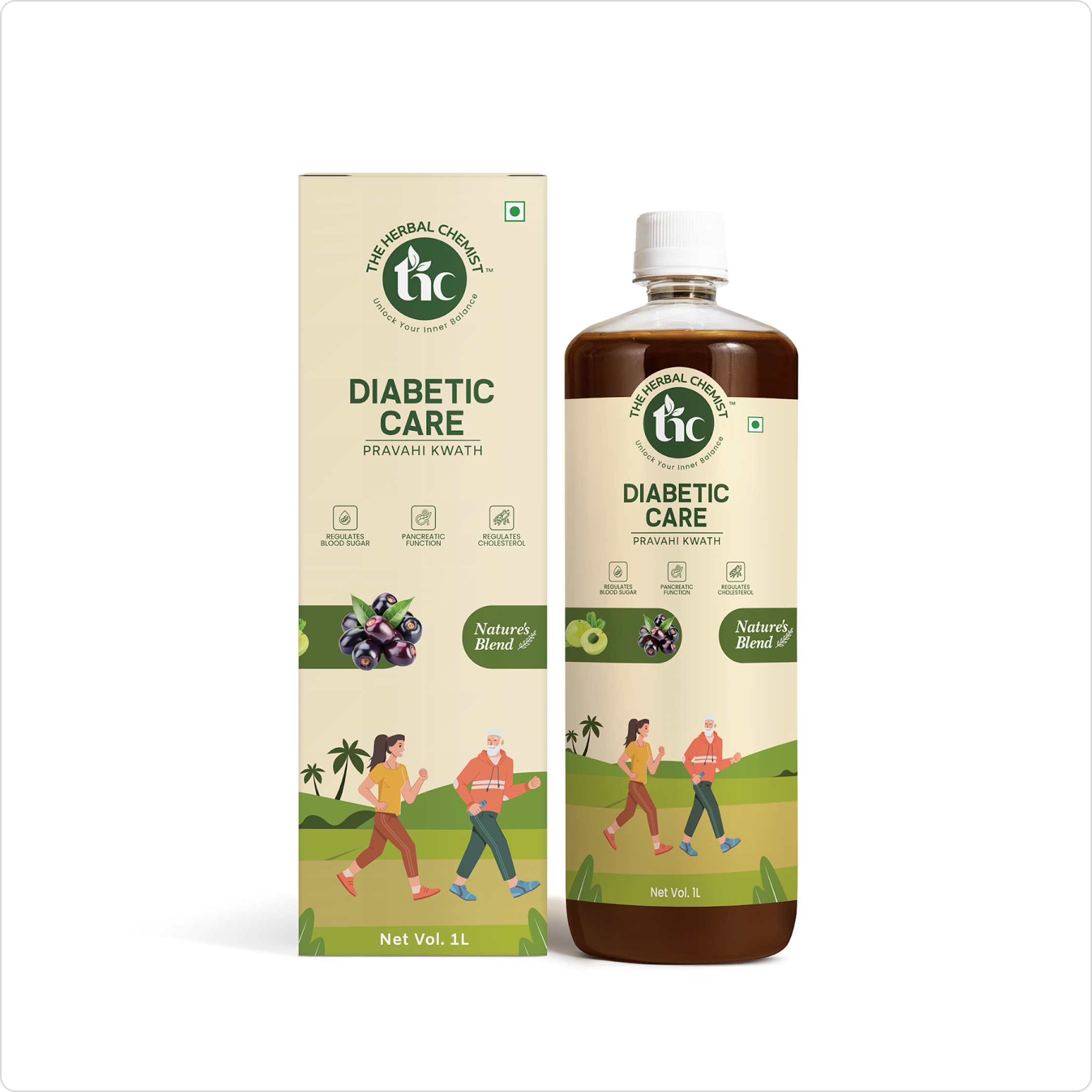
A bottled herbal preparation can look like a straightforward addition to breakfast. Nevertheless, making a choice involves more than simply knowing the names of its ingredients. The botanical ingredients, production process, complete formulation and individual consuming it are all important. These considerations are particularly relevant when the intended purpose involves managing blood sugar or supporting immune health.
Herbal drinks such as giloy juice and mixtures of neem, karela and jamun appear in discussions about traditional wellness. Their traditional Ayurvedic background can generate curiosity, yet a history of traditional use cannot confirm that each commercial formulation produces a particular health outcome. A useful starting point is to understand what the product contains, what its claims mean and whether it belongs in your routine.
Rather than allowing expectations of benefits to lead the decision, begin with a practical question: what difference would including this product make to your present treatment, diet and daily routine?
Understand What You Expect from the Juice
Individuals consider herbal products for a variety of reasons. One person may want to learn about traditional ingredients, whereas someone else may be hoping to improve an elevated blood sugar measurement. Someone else may be seeking an easy way to feel healthier during a demanding working week. These goals require different conversations.
An interest in a traditionally used formulation should not lead to the conclusion that the product provides treatment for a health condition. In the same way, fatigue alone does not demonstrate that immune function needs improvement. Persistent fatigue, increased thirst or other unexplained symptoms call for proper assessment instead of experimenting with multiple wellbeing preparations.
Be clear about your intended goal before purchasing a preparation. If the purpose involves diabetes, recurring illness or an existing health condition, review the particular product with a qualified medical professional. Knowing only the botanical ingredient does not offer enough detail for a proper suitability assessment.
Having a well-defined objective can also reduce unnecessary spending. A particular formulation should not automatically become a regular purchase merely because its advertised advantages are expressed in general, comforting terms.
Understanding Differences Between Products with Similar Ingredient Names
Names including neem karela jamun juice, neem jamun karela juice and karela neem jamun juice place the same three familiar ingredients in different orders. However, the wording does not establish that the products are equivalent. Differences may exist in ingredient ratios, plant components, concentration levels and other substances included.
Karela is bitter gourd, a vegetable also used in traditional preparations. Various parts of the jamun plant may be used in different products, whereas neem formulations need careful consideration of the botanical material used. Scientific evidence relating to one section of a plant cannot simply be assumed to apply to a different section.
A neem karela juice also differs from a blend containing jamun. Including another ingredient modifies the overall preparation, but it does not automatically improve effectiveness. More ingredients can make it harder to identify which component is responsible if an unwanted reaction occurs.
Review the entire list of ingredients rather than depending solely on the main ingredient names displayed on the bottle. Where information about proportions or preparation methods is incomplete, avoid assuming that different bottles contain identical formulations without sufficient information.
Separate Traditional Use from Demonstrated Results
Ayurvedic traditions include longstanding methods concerning nutrition, daily habits and plant-based preparations. Awareness of this traditional setting helps explain the continuing familiarity of particular herbs. Nevertheless, descriptions of historical use address a different issue than clinical research investigating whether a particular formulation produces a measurable improvement.
Laboratory findings are another separate category. An ingredient might demonstrate biological effects in cellular or animal research yet fail to provide a beneficial and safe outcome in humans. Research must also consider the amount used, the preparation and the duration of exposure.
For diabetes, evidence for herbal supplements remains insufficient to establish reliable treatment benefits. Research involving bitter melon and other botanicals has limitations, including inconsistencies across products and limitations in how studies are designed. Consequently, an encouraging research result must not be treated as definitive evidence that a bottled herbal drink reliably manages blood sugar levels.
Traditional use, biological activity and proven clinical benefit are different kinds of information. Maintaining this distinction makes it possible to explore Ayurveda without overstating what a particular bottle can achieve.
Consider What Herbal Immunity Claims Actually Mean
The phrase giloy juice for immunity may imply a direct connection between consuming the juice and reducing the likelihood of illness. In practice, “immunity” is a broad term, so the claim does not independently establish a measurable advantage, individual suitability or suitable length of consumption.
Consider what the statement genuinely refers to. Does it describe studies conducted in people using the particular product, or is it based mainly on broad descriptions of historical practices? Does it specify an outcome, or simply use words associated with wellness?
The same care applies to giloy tulsi juice. Mixing two familiar botanical ingredients does not demonstrate that the resulting product protects against infections or works more effectively than either individual herb. Evidence or claims relating to one ingredient should not simply be extended to a multi-ingredient formulation.
Use general immunity claims as a prompt for a more careful review of supporting evidence. Such wording must not become a reason to delay medical evaluation when infections recur or symptoms continue.
Evaluate Potential Risks Before Adding a Herbal Juice
A ready-to-use liquid formulation can seem practical, yet being convenient is not evidence of safety. Herbal ingredients can cause adverse effects, and their suitability may change according to a person’s medicines and medical history.
Specific caution is warranted when considering giloy. Clinical reports in the published literature have linked Tinospora formulations with liver damage. Such reports do not indicate that harm occurs in everyone who uses the product, but it makes blanket assurances that giloy juice is harmless inappropriate. Those with a history of liver disease or an earlier unwanted response to supplements should seek individual medical advice before considering it.
If symptoms such as yellow eyes or skin, dark-coloured urine, marked nausea or unusual exhaustion appear during the use of a botanical product, cease taking the product and arrange an urgent medical assessment. Retain the product packaging to allow its contents to be checked.
Pregnancy, breastfeeding, childhood and complex medical conditions also require individual assessment. A formulation considered suitable for one adult at home must not simply be assumed appropriate for all other household members.
Why Diabetes Medicines Require Additional Consideration
An individual using prescribed medication for diabetes requires closer evaluation compared with a person who is only exploring information about traditional herbs. Herbal preparations may interact with medicines, and some ingredients may influence blood glucose. Using multiple preparations without proper assessment may create uncertainty about their combined effects.
Take the complete product label and an up-to-date list of medications to your consultation. Include other supplements and occasional remedies. Describing the product merely as “a natural juice” omits details that are important for an informed evaluation.
Do not reduce or stop prescribed treatment on the basis of claims that a herbal drink promotes healthy blood sugar levels. If a healthcare professional considers a product suitable, establish a plan for reviewing its use and determining if monitoring arrangements should be modified.
Any unusual shifts in glucose readings should be raised with the clinician overseeing your care. A decreased blood sugar result should not automatically be interpreted as an improvement, particularly if it falls below the person’s agreed range or occurs alongside symptoms.
Review Product Labels for Essential Information
Examine more than the main ingredient advertised. Clear labelling should make it possible to understand the preparation’s composition, the recommended serving, storage requirements and any cautions. Confirm if the drink is intended for immediate consumption or must first be mixed with water; looking at the liquid does not reveal whether dilution is necessary.
Check the full nutritional declaration whenever it is supplied. A preparation tasting bitter does not necessarily mean it lacks sugar, while a “no added sugar” statement does not confirm the absence of carbohydrates. These distinctions matter when fitting a drink into an individual meal plan.
It is also important to differentiate liquid extracts, decoctions and drinks made with botanical ingredients. A resemblance in packaging cannot confirm that two formulations have similar concentrations. The recommended quantity for one preparation must not automatically be applied to a different product.
When product labelling fails to clarify important details, avoid filling those gaps with assumptions. Clear product information is a practical requirement for making an informed choice.
Quality Claims Need a Clear Meaning
Descriptions including natural, pure and carefully prepared can sound reassuring while providing little detail. These statements do not demonstrate that a formulation treats or improves a medical condition or establish that it karela neem jamun juice is appropriate to take with a specific medication.
References to laboratory analysis should likewise be understood within their specific limits. Laboratory checks might focus on ingredient identity, contaminants or other quality characteristics. Without further information, it does not establish that the preparation has undergone a clinical trial or produces the advertised benefit.
Check packaging integrity, batch identification, expiry information and storage instructions. After opening the bottle, follow the storage and usage instructions provided for that particular preparation. Avoid assuming that every herbal beverage remains usable for the same period or needs identical refrigeration.
A favourable opinion of a particular herbal preparation should not automatically apply to every product using that herb. Manufacturing and formulation details belong to the individual product so each formulation deserves its own review.
Make Your Herbal Routine Easy to Monitor
Starting several juices and supplements together makes it difficult to understand what has changed. When abdominal discomfort or another unwanted reaction develops, it may be harder to establish which formulation contributed to the reaction. Using several formulations can additionally make it easier to miss ingredients appearing in more than one bottle.
If professional review supports trying a preparation, keep a record of its name, ingredients, starting date and recommended use. Make a note of any adverse symptoms instead of overlooking them as an expected adaptation or evidence of effectiveness.
Refrain from taking larger amounts when noticeable changes are absent. An absence of noticeable change does not establish that a larger serving would help. Nor should missed servings be compensated for by taking extra.
Establish a suitable time for reassessment rather than continuing without an end point. The assessment needs to account for unwanted effects, applicable clinical information and the ongoing purpose of taking the preparation.
Keep Established Healthy Habits at the Centre
A daily herbal preparation may work against wider wellbeing goals if it shifts focus away from regular eating, exercise, adequate sleep or healthcare follow-up. Its convenience should not give it greater importance over the broader set of healthy everyday practices.
For someone managing blood sugar, important considerations frequently include regular eating patterns, sensible portions and a routine compatible with personal and professional responsibilities. A qualified dietitian may assist in tailoring dietary decisions to individual requirements while avoiding unnecessary limitations on everyday food choices.
Consider an office worker who adds a morning juice but continues skipping lunch and missing prescribed medicine. This new product does not correct the more fundamental issue. Daily habits designed to make meals and medication easier to manage respond to the underlying practical challenge more directly.
Likewise, adding a botanical drink to the routine should not justify overlooking symptoms or postponing advised medical investigations. A meaningful way to assess a wellbeing routine is to consider how effectively it supports appropriate care, rather than how many products it includes.
Conclusion
Selecting herbal preparations responsibly requires realistic goals and a clear understanding of the available information. The names of familiar botanicals may help explain why a product appeals to someone, yet they do not prove clinical benefits, similarity between formulations or appropriateness for an individual. Review the formulation, examine broad claims carefully and account for medicines and medical history before starting. Where professional evaluation supports the use of a preparation, make its use straightforward to monitor without allowing it to replace established treatment or consistent everyday health practices.